Supervisors appropriate $33 million for water plant upgrades

The Louisa County Board of Supervisors (BoS) unanimously approved a resolution authorizing a budget supplement of $33,000,000 to design and construct water treatment plant process upgrades at the Ferncliff Water Treatment Plant and to upgrade the New Bridge Wastewater Treatment Plant at the April 6 meeting.

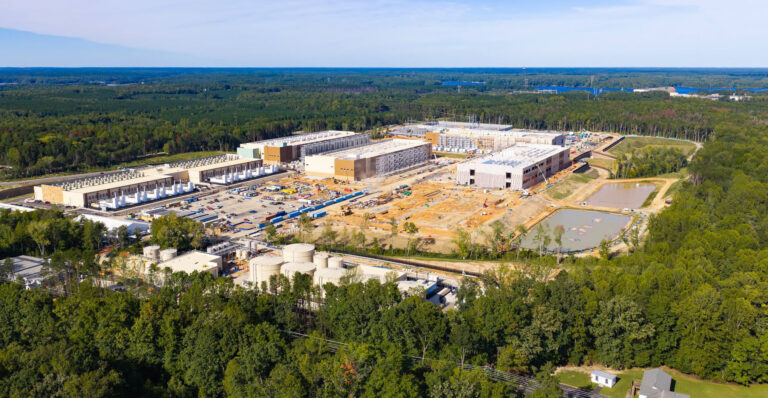
The resolution states that the two public utility facilities are in need of upgrades to meet current and emerging regulations. Upgrades at the Ferncliff Water Treatment Plant will cost $11,500,000, while the second project to upgrade the New Bridge Wastewater Treatment Plant to 100,000 gallons per day (gpd) is estimated to need an additional $21,500,000. The source of funding for the appropriation is from the sale of the Shannon Hill Regional Business Park property; last June, the county sold the property to EdgeCore Digital Infrastructure who plan to build a data center campus.

Finance Director Wanda Colvin said the original plan with the money was to pay off county debt and to issue debt for the two public utility facilities.

“As we looked at the price of issuing that debt, interest rates are higher now than they were with our debt that we were going to pay off,” Colvin said. “It was determined it’s best to not pay off that debt and leave that alone and cash fund the projects that would cost [more] and get those done before the price goes up higher.”

During a brief discussion on the Fiscal Year 2027 operational & maintenance and capital improvement plan (CIP) budget at the March 16 BoS meeting, Jackson District Supervisor R.T. “Toni” Williams, Jr., stated that allowing funds to remain in cash and not issuing new debt for water debts due to existing debt being cheaper is saving the county approximately $3.8 million annually.

Pam Baughman, general manager with the Louisa County Water Authority (LCWA), stated that for the Ferncliff Water Treatment Plant, a clarifier — a sedimentation tank used to remove solid impurities with gravity — was always part of the original project. Economic Development Director Andy Wade concurred, adding that in 2015, the county requested deferment on the clarifier, which was granted by the Virginia Department of Health until in user water demand warranted the device. After a question from Mineral District Supervisor and Chairman Duane Adams, Wade said the price has jumped from roughly $4 million to now $11.5 million in that timeframe.

“It’s tripled, but that’s not unique to this project. [It’s] across the board for wastewater infrastructure projects…,” Wade said.

In November 2017, The Central Virginian reported that the Ferncliff Water Treatment Plant “has the potential to be the most significant public works undertaking in Louisa County’s history,” with the goal for a pipeline to carry water from the river’s edge in Fluvanna County to residents and business in Ferncliff and Zion Crossroads who relied on wells, but the plant has not been in use.

“Between 2015 and 2026 where we are today, obviously our water consumption demands have gone up significantly and there are emerging contaminant policies that VDH has implemented statewide that are driving additional clarification and treatment process at the water treatment plant…what brought this to head is as the [James River Water Authority (JRWA) project comes online in 2027], we are starting plans to commission that water treatment plant at Ferncliff and the water authority reached out to VDH just to make sure that we are still good with deferring the clarifier…it’s always been part of the equation,” Wade said.

Regarding the New Bridge Wastewater Treatment Plant near Lake Anna, Baughman said the county knew from “day one” that upgrades were needed to meet current standards. Currently, the plant is permitted to treat and discharge 99,000 gpd, but Wade said if the county chooses to expand to additional flow tiers in the future, “…we’re accounting for those now so we’re not in the same position five years from now having to pay double or triple what it would cost today.”

In an email to local journalist Tammy Purcell with Engage Louisa, Wade said the upgrade would allow the plant to discharge up to 500,00 gallons of wastewater per day.

Two Mineral district residents addressed the board during the public hearing. John Wayne stated that he was speaking on behalf of the Lake Anna Civic Association (LACA), sharing that they were surprised to learn about certain portions of the costs associated with the New Bridge Wastewater Treatment Plant, citing that the water authority holds a permit to only discharge 99,000 gpd into Lake Anna.

“LACA would like to register its opposition to any funding that moves the New Bridge plant beyond a discharge greater than what is currently approved. There’s been no public discussion about this that we’re aware of since [public debates surrounding the Lake Anna Resort rezoning two and a half years ago],” Wayne said. “The costs you’re discussing today for the New Bridge upgrade is more than three times what it was two and a half years ago as you just pointed out… from the volume of discharge you’re now apparently looking to fund, it seems that the ambitions of the board regarding commercial development in the New Bridge area may be increasing also. This point deserves public debate prior to approving and spending public funds.”

Wayne requested that the board undertake a “thorough public discussion and debate” on any increase in capacity beyond that which is currently approved by DEQ before allocating the $33 million in funding.

Phil Winston stated a desire to fix the plant, but not expand it.

“I opposed the expansion of the Lake Anna sewage treatment facility [roughly three years ago] — it doesn’t seem that we have a real need for expansion of this facility today,” Winston said, citing a lack of commercial users. “…we’re spending money just to spend money is what it looks like, just because there is an opportunity to expand, to expand, to expand. We don’t have use for this facility. We need to improve it, yes, we don’t need to expand it. We need to make it so it’s not dumping stuff in the lake which is where our property values for many of us come from.”

After the public hearing, Williams responded that the county is not expanding the plant, but getting it back to the 99,000 gpd level. He added that the board bought the plant several years ago for “basically nothing,” or $90,000 and that it would be “foolish” to put infrastructure in the ground that would require the county to go back and spend money at a different level if they choose to expand in the future.

“We didn’t buy it because it was a good deal. We bought it because it was polluting the lake,” Williams said. “Your property values are based on lake pollution, I understand that, and we were protecting your property rights at the time, Mr. Winston…I am not happy that the cost has tripled. In fact, I’m frustrated, angry and upset about it. But here we are, and the lake is an important enough feature to us that we’re not willing to let it sit there and continue to be polluted.”

The BoS approved the budget supplement 7-0.