What to do?

There was a time in my life, a time in all of our lives, when we were young that we would look around and “what should I do?” Some of that came from boredom, some came from true bewilderment at a situation we faced, some came from being at a crossroads where we had a choice to make and we were struggling with the import of the decision. “What to do” is an important question, if not the most important question of our lives. Afterall, most of us spend a lot of time thinking about what we want to be doing with our lives. How will we live our lives; who will we love; what will we make for dinner/breakfast/lunch; where and how should one live; how am I going to spend my time today; the questions are myriad and often need time and more information to answer.

It is important to spend time discerning what to do about many different aspects of our lives. We can fall prey to “analysis paralysis”, however, when all we do is consider options and forget that the most important thing we can do is to actually do something. Faith communities (and other multi-person organizations) can be places that fall prey to analysis paralysis. They can try to make everyone happy with a decision (which is impossible) and so never actually make a decision. Sometimes, there are just too many needs that are affecting the lives of those inside and outside the walls, and there are insufficient resources to meet any of the needs that are identified in any “meaningful” way. Sometimes they try to do too much all at once and fail because the community members get overwhelmed and give up.

Sound familiar? For those of us who call ourselves followers of the Christ (aka Christians), we forget that Jesus did not have a big entourage or line-item budget. In fact, he told someone that he didn’t even know where he would sleep that night and had to borrow a Roman coin to make a teaching point because he had no money. Jesus, however, knew that the one thing he could show his students was that they could always help someone out. Writer Katherine Center in her book “How To Walk Away” teaches “When you don’t know what to do for yourself, do something for somebody else.” Simple, effective, repeatable – and provides a way to get out of analysis paralysis. We don’t have to solve world hunger on our own, we just need to feed the hungry person in front of us.

There are huge problems that confront us in our world today. Homelessness or people living in sub-standard homes, food insecurity, lack of reliable transportation, exploitation, inability to earn a living wage, domestic violence, untreated or undiagnosed depression and other mental illnesses, addictions, just to name a few of the major issues. Each are so large that they can be overwhelming, and we can find ourselves thinking “what can one person or small group do about that?” Yet, all it takes to make a difference in our world is to begin – just do something for the next person that you meet that has an issue, any issue. Then see if you can enlist a couple of friends in the efforts to find out what others are doing about that issue and form a collaborative. Soon, you have something that looks like the LCRC, ACE, the Journey Home, etc. Each of those programs started because someone chose to answer the question “what to do?” by doing what they could.

Life can be overwhelming, but so can the efforts of really good and dedicated people using their gifts to make a difference in the world. If you are wondering “what to do” there are a lot of groups in Louisa County that can help you find a place to put your unique skills to good use. There are also more than 100 faith communities that would benefit from your ideas and your energy. This week if you’re wondering “what to do?” I invite you to take the first step and attend a faith community and then find someone to help. You will be very glad that you did. Blessings for your journey!

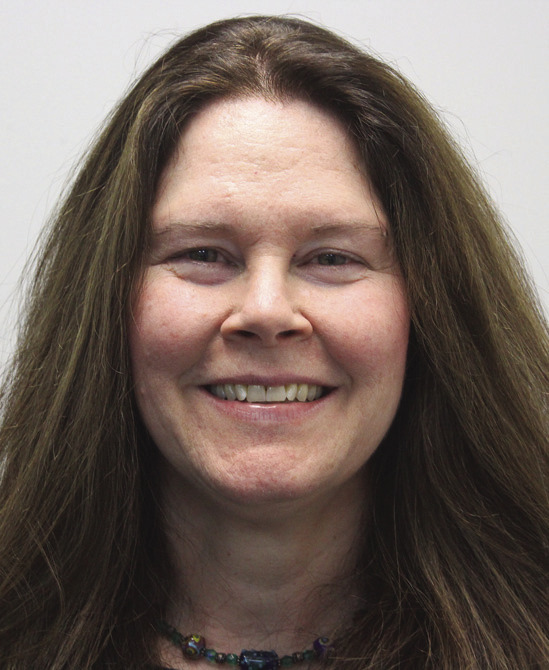
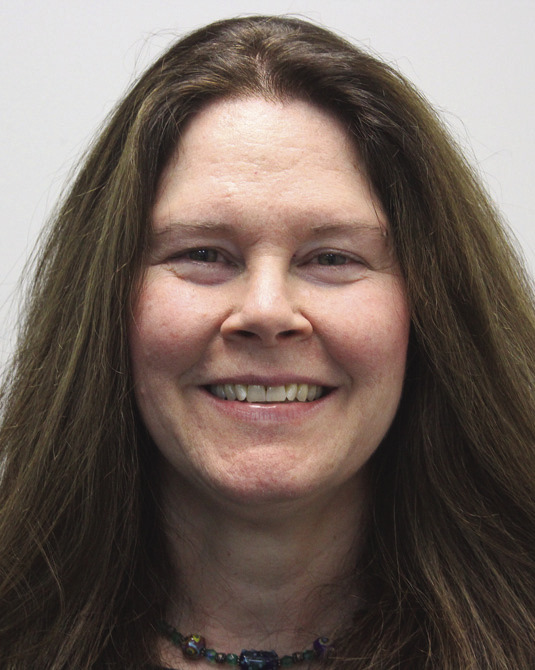
The Rev. Albrant is pastor of Mineral and Mount Pleasant United Methodist churches.